
Our Blog

Periodontics and Braces Treatment

February 28th, 2017

Most people think braces are all about their teeth. While it is true orthodontics is meant to move your teeth into proper position, there's more to it than that. To safely move your teeth with braces, you're going to need healthy and stable gums (or periodontium—the tissues that support your teeth).

For this reason it's critical to have your periodontal health evaluated prior to getting braces. This applies particularly to adults, since a 2013 study by the Center For Disease Control found that an estimated 47.2% of adults 30 years of age and older had periodontitis (gum disease). If you do have periodontitis, moving your teeth with braces will only make things worse.

Conversely, there is also risk for periodontal disease if you don't get orthodontic treatment. Malocclusion, as well as crooked and spaced teeth, can all contribute to periodontal disease. In these situations your teeth and gums are more difficult to clean and become breeding grounds for disease causing bacteria. Bad oral hygiene combined with these traits can greatly contribute to the development of periodontitis.

So, periodontics and braces have a tricky relationship. On one hand, you shouldn't get braces if you show signs of developing or have periodontitis, while on the other hand, braces can help prevent the possibility of developing periodontitis by correcting the bite and straightening the teeth.

If you are 30 years of age or older and are considering getting braces, it would be wise to first:

  • Let Dr. Robert Kubo and Dr. James Kubo know about your desire to get braces
  • Get an exam to make sure you're in good periodontal health and a good candidate for braces
  • If you are a good candidate, keep an eye on your teeth and gums and get regular dental checkups throughout your entire course of treatment.

If you are in any doubt about the status of your teeth and gums, it's always best to get them checked before embarking with braces treatment. For more information or to have your periodontal health assessed for braces treatment, please contact our Fresno, CA office.


Sports and Energy Drink Consumption Damages Tooth Enamel

February 21st, 2017

While they may sound refreshing, especially after participating in sports activities or after a jog, recent studies suggest that energy and sports drinks can damage tooth enamel, thus elevating your cavity risk. These drinks are especially popular among our younger patients.

In the study, researchers analyzed the fluoride content and pH levels of 13 sports and nine energy drinks by soaking tooth enamel samples in the aforementioned drinks. The samples were soaked for 15 minutes in each drink, and then were soaked for two hours in artificial saliva four times a day for five days.

As much as sports drinks are harmful to your teeth, researchers found that exposure to energy drinks such as Rockstar, Monster®, and Red Bull® resulted in twice as much enamel loss as exposure to sports drinks such as Powerade®, Gatorade®, and Propel® (3.1 percent to 1.5 percent).

Yes, there are health benefits to consuming orange juice, fruit juices, sports drinks, and flavored waters, which can contain valuable ingredients such as vitamin C and other antioxidants; these drinks can also replenish nutrients lost during a sporting event and lower the chance of heart disease and cancer. But, if not consumed carefully, these beverages can harm your teeth. They are full of sugar, which converts to acid and wears away at your teeth, causing cavities, sensitivity, and eventually tooth loss.

Even one drink a day is potentially harmful, but if you are absolutely unable to give up that sports or energy drink habit, we encourage you to minimize their use and rinse with water afterward or chew a sugar-free piece of gum. Do not brush immediately after drinking them; softened enamel due to acid is easier to damage, even when brushing. Remember, it takes your mouth approximately 30 minutes to bring its pH level back to normal. The best thing to do is to wait an hour, then brush to remove sugar that lingers on your teeth and gums.

There are many sports drinks, energy drinks, and flavored waters out there today. Dr. Robert Kubo and Dr. James Kubo and our team recommend you take the time to read the labels. Check for sugar content and citric acid in the ingredients. If you have any questions, or would like suggestions on the best sports drink options, please give us a call at our Fresno, CA office or ask us during your next visit!

Top Five Best Foods for Oral Health

February 14th, 2017

Some foods are just terrible for your teeth — think cookies and candy bars — but there are certain foods that are beneficial to your oral health. Below, Dr. Robert Kubo and Dr. James Kubo and our team have covered five of the top foods to keep your teeth and gums healthy!

1. Crispy, low-acid fruits and vegetables: Fruits like apples and vegetables such as carrots and celery act like “natural toothbrushes,” helping to clear plaque from your teeth and freshen your breath.

2. Kiwis: These little green superstars are packed with vitamin C which is essential for gum health. The collagen in your gums is strengthened when you consume foods that are high in vitamin C, like kiwis, thus helping to prevent periodontal problems.

3. Raw onions: Onions have long been studied for their antimicrobial, antibacterial, and antioxidant properties. Proliferation of bacteria is what leads to tooth decay and cavities. By including raw onions in your diet, you'll be doing your part to wipe out those little microbes before they can multiply!

4. Shiitake Mushrooms: A specific compound in shiitake mushrooms, lentinan, has been shown to have antibacterial properties that target the microbes that cause cavities while leaving other beneficial bacteria alone. It may also help prevent gingivitis, or inflammation of the gums.

5. Green Tea: Often lauded for its high antioxidant content and many health benefits, it turns out green tea also benefits your oral health! A Japanese study found men who drank green tea on a regular basis had a lower occurrence of periodontal disease compared to men who drank green tea infrequently. It's believed this is due to the catechins in green tea, a type of flavonoid that may help protect you from free radical damage, but more research needs to be done. Either way, drink up for your overall health, as well as your teeth!

If you have any questions about your oral health, or are looking for even more oral health tips, contact our Fresno, CA office!

Which type of mouthwash is best?

February 7th, 2017

Taking care of your oral health involves a daily regimen of brushing, flossing, and rinsing to prevent tooth decay and bacterial infections. Though you may have asked us which toothbrush to use, few patients at Kubo Orthodontic Group ask about mouthwash.

However, different mouthwashes you might choose will have varying effects on your oral health. So which type is best for you?

Gum Health

Antiseptic mouthwashes are designed to reduce the majority of bacteria on and near the gum line. Using an antiseptic mouthwash can help decrease your chances of developing gingivitis. If possible, look for a mouthwash with antibacterial or antimicrobial ingredients.

Fluoride

Fluoride is beneficial for oral health and can help prevent tooth decay. If you drink a lot of bottled water without fluoride, we may recommend that you purchase a rinse with fluoride in it.

Bad Breath

Although mouthwash is designed to prevent bacterial build-up within the mouth, many people use it to combat bad breath. Most mouthwashes will help eliminate the bacteria that cause bad breath, and some are specifically designed to do so.

However, if bad breath is a chronic problem that requires daily treatment with a mouth rinse, contact Kubo Orthodontic Group to discuss your symptoms.

American Dental Association Approval

The ADA reviews mouth rinses for safety and effectiveness. A mouthwash with the ADA Seal of Approval will meet strict criteria, and will have scientific evidence or clinical studies that support the claims of the manufacturer. If possible, select a mouthwash that bears the ADA Seal of Approval to ensure you are using a quality rinse.

Considerations

If you are unsure as to which mouthwash is right for you, contact our Fresno, CA office or ask Dr. Robert Kubo and Dr. James Kubo during your next visit. Also, be sure to keep mouthwash out of the reach of children, as it contains alcohol and other substances that could be harmful to them. Avoid letting children under age six use a mouth rinse, and discontinue use if you experience a burning sensation in the soft tissues of your mouth.

Kubo Orthodontic Group
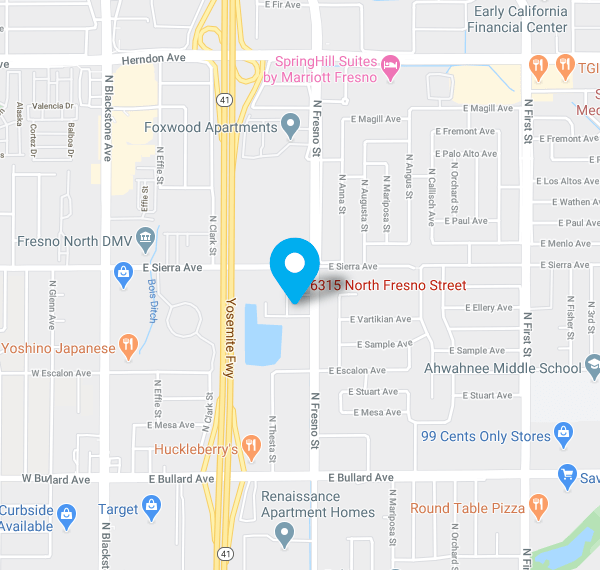
(559) 438-7600 6315 N Fresno St Suite 101
Fresno, CA 93710

Office Hours

  • Monday: 8:00am to 5:00pm
  • Tuesday: 8:00am to 5:00pm
  • Wednesday: 8:00am to 5:00pm
  • Thursday: Closed
  • Friday: Closed
  • Lunch daily from 12:00pm to 1:15pm