
Our Blog

Gums and Braces

November 25th, 2020

“Yes,” you’re thinking, “I shouldn’t be chewing sugary, sticky gum while I’m wearing my braces.” Or perhaps, “I should check with my orthodontist to see if this sugar-free gum is safe for my braces.” And these are both great thoughts—but today, we’re thinking about gums of a different sort!

While you’ve been taking care of your teeth with regular brushing and flossing, you’ve also been taking care of your gums. And now that you’re wearing braces, your gums need a bit of special attention to keep them their healthiest.

We tend to think of gum disease as an adult problem. In fact, periodontitis, or serious gum disease, is one of the most common chronic infections in the adult population. But young gums need care, too! Gingivitis, a milder form of gum disease, is unfortunately a common problem for both children and adults.

Gingivitis is an inflammation of the gums caused by the build-up of plaque and tartar. When plaque builds up, it irritates delicate gum tissue. And while gingivitis is not as serious as periodontitis, the symptoms caused by this disease are nothing to smile about:

  • Redness
  • Tenderness and soreness
  • Swelling
  • Bleeding
  • Bad Breath

If you’re already feeling a little tender or swollen after an adjustment, the added discomfort caused by gingivitis is the last thing you want. But even worse, neglected gingivitis can lead to more serious infections of gum and even bone tissue. Luckily, gingivitis is both preventable and treatable with proper dental care.

So, how to protect your gums? We have some suggestions.

  • Brushing Better with Braces

It can be hard to brush around your brackets and wires, but keeping these areas free of food particles and plaque makes for healthy gums—and fewer cavities! There are specially designed manual toothbrushes made for braces wearers, and tiny interproximal brushes that can reach tight spaces. Or, perhaps an electric toothbrush will do a better job for you. Just be sure to brush after each meal for the most complete removal of bacteria and plaque.

  • Learn New Flossing Techniques

You might wonder how on earth you’ll get in between your teeth with your wires and brackets in the way. We have the answers! We know the best techniques for flossing your specific braces, and we’ll recommend specially designed flossing tools to make the job easier. Water flossers can also be a great help for cleaning in tight spots. Be sure to make flossing part of your daily routine—you’ll be able to remove plaque from places brushing just can’t reach.

  • Rinsing? Recommended.

Talk to Dr. Robert Kubo and Dr. James Kubo about the best dental rinses for reducing plaque and tartar, or how gargling can help prevent irritation. And drink water! Water helps wash away plaque and bacteria, and is a great way to rinse teeth and braces if you absolutely can’t brush after eating.

  • Keep up with Professional Cleanings

Be sure to keep up with your regular dental exams and cleanings. Your dentist or hygienist will be able to remove any plaque or tartar build up that home brushing can’t handle.

We want your time in braces to be as healthy—and comfortable—as possible. If you have any gum discomfort, swelling, or sensitivity, give our Fresno, CA office a call. With prompt action, gingivitis can be treated, and with careful attention to your cleaning routine, gingivitis can be prevented altogether. Something to think about!

Five Ways You Won’t—And One Way You Will—Get Your Braces Off Faster

November 18th, 2020

It’s only natural when you’re waiting for something good—you count down the weeks until your birthday, or until the summer holidays, or until your braces come off. But while your birthday and your vacation won’t come any faster no matter what you do, you can help determine just how fast that happy day arrives when you’re done with your orthodontic treatment.

When you first got your appliance, Dr. Robert Kubo and Dr. James Kubo gave you an estimate of how long your treatment would take. Of course, that estimate is based on everything going according to plan. What are some detours that can delay your progress?

  • Missing Appointments

With every adjustment at our Fresno, CA office, you are moving closer to the ideal positioning for your teeth. If you miss or postpone appointments, it can take just that much longer to complete your orthodontic work.

  • Eating the Wrong Foods

You have a list of foods that are on the do-not-eat list. Hard, chewy, sticky bites are famous braces-breakers, but don’t forget that size also matters! Biting into a juicy apple or a buttery ear of corn can damage your brackets and wires just as much as chewy candy can. Be sure everything you eat is size-appropriate and braces-friendly. Obviously, damaged braces can’t straighten teeth as effectively as intact appliances!

  • Sticking with Bad Habits

Pressure from nail biting, chewing pencils, or crunching on ice can cause chips and cracks in your teeth, so just think what they can do to your appliance. Ask us for tips for quitting if you’ve picked up any of these habits. We know habits can be hard to break, but they are harder on your teeth and braces. If you bend or break a wire or loosen a bracket, you might be delaying your orthodontic progress. Which leads us to . . .

  • Ignoring Appliance Accidents

Accidents happen. Brackets or metal bands can become loose; wires can bend or break; spacers can fall out. If you notice a problem, call our office right away. Sometimes a minor problem can wait, but if your appliance is damaged, your teeth aren’t moving into position on schedule.

  • Blowing Off Bands

If you have bands to help correct your bite, be sure that you wear them as directed. If you skip hours or days of band-wear, you are adding to the time it will take to correct the bite problems they are meant to fix. And don’t double band to speed things up—that might put too much pressure on your teeth. Just follow our recommendations, and you will be done with those bands—and those braces—as soon as possible.

But, wait! We promised you one sure way to keep your orthodontic progress on track:

  • Follow Your Treatment Plan

If you keep your appointments, take care of your braces, call us promptly if they are damaged, and wear your appliance as directed, you will be doing your part to keep your treatment on track. And that happy day when your braces come off? It will arrive right on schedule!

Great Gifts for Grandparents

November 11th, 2020

Our grandmothers and grandfathers, our moms and dads—we’ve known them our whole lives. So, why are they so hard to shop for?

If your older family members have all the sweaters, socks, and scents they need, consider a gift that can make life a bit easier and perhaps a lot healthier—an electric toothbrush!

  • Easy Efficiency

The most important reason to choose an electric toothbrush is its effectiveness. Several studies have shown that regular use of an electric toothbrush leads to a marked reduction in plaque, that bacteria-filled film which sticks to the teeth and leads to cavities and gingivitis. And it’s really no surprise that an electric brush can out-perform a manual brush.

Using a manual brush is not just a matter of applying toothpaste and scrubbing. Proper technique means short brush strokes at a 45-degree angle for the outer and inner surfaces of the tooth, thoroughly cleaning the uneven chewing surfaces of the molars, and brushing the inside of the front teeth with gentle vertical strokes. Meticulous cleaning of all these surfaces can be difficult, especially for people with dexterity issues.

Electric toothbrushes offer several options, from oscillating/rotating brushes to oscillating/rotating/pulsating models to brushes using sonic vibration technology. What they all have in common is the ability to remove plaque far more effectively than we can on our own, because they provide the equivalent of thousands and even tens of thousands of brushstrokes per minute, as opposed to the hundreds we can achieve by hand.

  • Comfortable Control

An electric toothbrush can be not only more efficient, but also more comfortable for older brushers. For those with arthritis, limited mobility, injuries, or other health conditions, the larger handles can be easier to control and much more grip-friendly. And, with the work being done by the brush head, users avoid repetitive hand and wrist motion.

Also, the pressure applied to teeth and gums with an electric brush is designed to clean thoroughly while protecting the mouth. Heavy-handed manual brushing can irritate delicate gum tissue and even damage enamel over time. With an electric brush, users only need to guide it along teeth and gums as it supplies all the power needed. There are even pressure sensors available to warn users that their brushing is too vigorous.

  • Apps, Anyone?

If your grandfather likes to keep things old school, a basic model with a convenient two-minute timer and several cleaning modes will offer all the bells and whistles he needs. But if your nana has more Instagram followers than you do, consider a more tech-savvy option.

Several of today’s electric brushes come with features designed to make brushing even more effective. They can let her know if she’s brushing long enough, alert her if she’s brushing too hard, and remind her that it’s time to replace the brush head. Some models link to handy apps that will map out just where she’s brushed, in case there are a few spots that get overlooked. Or choose a model which comes with a travel case that can recharge while she’s busy seeing the world.

Okay, all that being said, we’ll admit it—a toothbrush might not be the most glamorous gift your grandparent unwraps on that special day. But helping a favorite family member brush more effectively and comfortably while improving dental health? That’s a gift that keeps on giving!

I Have Gum Disease. Can I Still Get Braces?

November 4th, 2020

Gum disease is one of our most common dental diseases, affecting both children and adults. If you are considering getting braces or aligners, make sure your gums are their healthiest before beginning orthodontic treatment.

  • Gingivitis

For both younger and older patients, gingivitis (mild gum disease) can be the result of poor brushing and flossing habits. When plaque builds up around the teeth and gums, it irritates delicate gum tissue. The gums become inflamed, and symptoms such as redness, swelling, tenderness, bleeding, and bad breath can result. Usually, your dentist can treat early stages of gingivitis with tips on more efficient brushing and flossing, a professional cleaning, and suggestions for mouth rinses if needed.

Because brushing and flossing with braces can be more difficult, you need to devote special attention to your cleaning routine to prevent gingivitis from developing after you start treatment. Talk to us any time about how to brush and floss most effectively when you wear braces. Dr. Robert Kubo and Dr. James Kubo can also recommend tools designed especially for braces wearers to get your teeth and gums as clean and plaque-free as possible. If you are a candidate for clear aligners, this option can make it easier to keep your teeth their cleanest. We’ll work with you to keep your gums healthy as your orthodontic work takes place.

  • Periodontitis

For older patients, gingivitis, left untreated, can eventually lead to periodontitis (severe gum disease). This chronic infection can lead to the formation of pockets between your gums and teeth that become home to bacteria and infection. Over time, periodontitis can lead to the destruction of gum, ligament, and bone tissue. Left untreated, it can lead to loose teeth and even bone and tooth loss.

Making sure you schedule regular dental exams will allow your dentist or periodontist to detect and treat any signs of periodontitis as early as possible. If you have any of the symptoms of gum disease, it’s important to treat the cause of these symptoms as soon as possible to protect your gums, bone, and teeth. Deep cleaning procedures such as scaling and root planing, topical and oral antibiotics, and oral surgeries such as flap surgery or bone and tissue grafting can help reverse the effects of periodontitis.

Because orthodontic treatment involves moving the teeth and re-forming the ligament and bone tissue, which hold them in place, you need healthy periodontal ligaments and bones to begin treatment. If you have suffered shifting teeth or bone loss due to periodontitis, talk to us. We will let you know at your visit to our Fresno, CA office if you are a good candidate for orthodontic work, and which type of appliance is best for your periodontal health.

We are happy to talk to you about the best way to achieve an attractive smile and a healthy bite if gum disease has been a problem in the past. Most important, we want to make sure that your teeth and gums are their healthiest even before you begin orthodontic treatment. Preventing and treating gum disease will provide the foundation you need for a lifetime of beautiful smiles.

Kubo Orthodontic Group
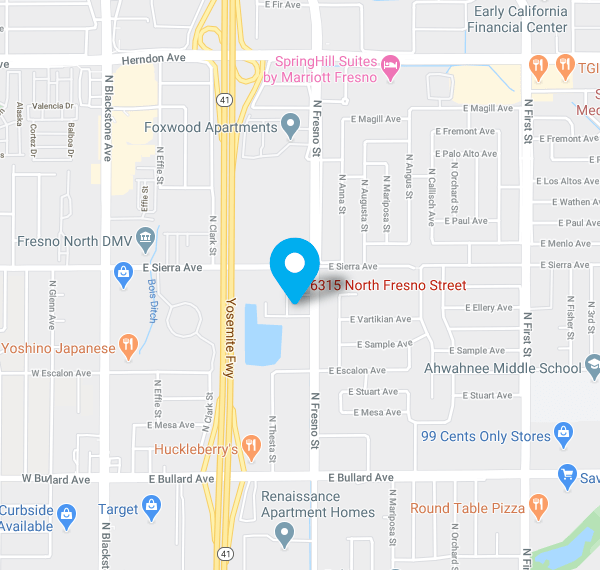
(559) 438-7600 6315 N Fresno St Suite 101
Fresno, CA 93710

Office Hours

  • Monday: 8:00am to 5:00pm
  • Tuesday: 8:00am to 5:00pm
  • Wednesday: 8:00am to 5:00pm
  • Thursday: Closed
  • Friday: Closed
  • Lunch daily from 12:00pm to 1:15pm