
Our Blog

Dental X-rays: The Inside Story

July 22nd, 2020

We’re all friends here, so if you sometimes feel a bit nervous before your orthodontic appointments, no judging! Ask us about any worries you might have. We are happy to explain procedures, equipment, and your orthodontic options so you know exactly what is going on during treatment. And if X-rays are a concern, we can put your mind at ease here as well.

What Exactly Are X-rays?

Sometimes patients feel reluctant about the process of imaging because X-rays are a kind of radiation. But the fact is, radiation is all around us. We are exposed to radiation naturally from our soil and water, sun and air, as well as from modern inventions such as cell phones, Wi-Fi, and air travel.

Why is radiation so common? Because matter throughout the universe constantly gives off energy, and the energy that is emitted is called radiation. This radiation takes two forms—as particles (which we don’t need to consider!) and as traveling rays. This second type is known as electromagnetic radiation, created by photons traveling in regular waves at the speed of light.

We are exposed to electromagnetic radiation every day, because, whether we can see them or not, these different wavelengths and frequencies create various forms of light. Radio waves, microwaves, infrared, visible, and ultraviolet light, X-rays, and gamma rays are all part of the electromagnetic light spectrum.

Different types of radiation on this spectrum have different wavelengths and different frequencies, and produce different amounts of energy. Longer wavelengths mean lower frequencies and less energy. Because X-rays have shorter wavelengths and higher frequencies than, for example, radio waves and visible light, they have more energy.

How Do Dental X-rays Work?

An X-ray machine produces a very narrow beam of X-ray photons. This beam passes through the body and captures images of our teeth and jaws on special film or digital sensors inside the mouth (intraoral X-rays), or on film or sensors located outside the mouth (extraoral X-rays). These X-ray images are also known as radiographs.

Why are X-rays able to take pictures inside our bodies? Remember that higher energy we talked about earlier? This energy enables X-rays to pass through the softer, less dense parts of our bodies, which are seen as gray background in a radiograph. But some substances in our bodies absorb X-rays, such as the calcium found in our bones and teeth. This is why they show up as sharp white images in radiographs. 

There are many different types of dental X-rays used in orthodontics, including:

  • Occlusal X-rays, which show the entire arch of teeth in the upper or lower jaw.
  • Panoramic X-rays, which use a special machine to rotate around the head to create a complete two-dimensional picture of teeth and jaws.
  • Cephalometric X-rays, which show the patient’s entire profile, and the position and development of the teeth and jaws.
  • Cone Beam Computed Tomography, an external device which uses digital images to create a three-dimensional picture of the teeth and jaws.

Why Do We Need X-rays?

You might have noticed that these X-rays, unlike, for example, typical bitewing X-rays, don’t take images of individual teeth. That is because orthodontists deal with the teeth in relationship to each other and to the structures around them.

Beautifully aligned teeth and a healthy bite are the visible result of your orthodontic work, but there’s a lot going on above and below the surface that needs to be discovered and taken into account before your treatment even begins. X-rays help us evaluate:

  • The size, shape, and position of your teeth, including impacted teeth and wisdom teeth
  • The size, position, and health of your roots throughout treatment
  • The size and shape of your jaw bones, and how they affect your teeth alignment and bite
  • Your progress during different phases of treatment

How Do Orthodontists Make Sure Your X-rays Are As Safe As They Can Be?

First of all, the amount of radiation you are exposed to with a dental X-ray is very small. In fact, a typical panoramic X-ray provides roughly the same amount of radiation we are exposed to through our natural surroundings in just one day. Even so, Dr. Robert Kubo and Dr. James Kubo and our team are committed to making sure patients are exposed to as little radiation as possible.

Radiologists, the physicians who specialize in imaging procedures and diagnoses, recommend that all dentists and doctors follow the safety principal known as ALARA: “As Low As Reasonably Achievable.” This means using the lowest X-ray exposure necessary to achieve precise diagnostic results for all dental and medical patients.

The guidelines recommended for X-rays and other imaging have been designed to make sure all patients have the safest experience possible whenever they visit the dentist or the doctor. We ensure that imaging is safe and effective in a number of ways:

  • We take X-rays only when they are necessary.
  • We provide protective gear, such as apron shields and thyroid collars, whenever needed.
  • We make use of modern X-ray equipment, for both traditional X-rays and digital X-rays, which exposes patients to a lower amount of radiation than ever before.
  • When treating children, we set exposure times based on each child’s size and age.

And now that we’ve talked about some things you might like to know,

Please Let Us Know If . . .

  • You are changing orthodontists and have had previous orthodontic X-rays taken. Ask to have your older X-rays sent to our office so we have a complete record of your orthodontic history. (With digital X-ray technology, this transfer can be accomplished with e-mail!)
  • You’re pregnant, or think you might be pregnant. Even though radiation exposure is very low with dental radiographs, unless there is a dental emergency, dentists and doctors recommend against X-rays for pregnant patients.

X-rays play an important part in helping us make sure your orthodontic treatment provides you with a lifetime of beautiful and healthy smiles. If you have any concerns, contact our Fresno, CA office. When it comes to making sure you’re comfortable with all of our procedures, including any X-rays that might be necessary, we’re happy to give you all the inside information!

Does My Pre-Existing Dental Work Mean I Can’t Wear Traditional Braces?

July 15th, 2020

When you get braces as a child, you usually present the orthodontist with a blank canvas—newly erupted, perfect permanent teeth, just waiting to be aligned. But if you are a bit older, your canvas might already be a bit busy, with fillings, crowns, perhaps even a missing tooth. Can Dr. Robert Kubo and Dr. James Kubo still work with that more complicated picture? Yes!

  • Fillings

Many of us have acquired a filling or two. Normally, an old filling shouldn’t interfere with new braces. Large fillings, however, might call for spacers. These small rubber bands are inserted between two teeth as needed to create enough room for bands and brackets, and are generally put in place a week or two before you get your braces. They frequently fall out on their own as the space between the teeth gets a bit wider.

  • Crowns

If you have had a root canal or any other dental treatment that left you with a crowned tooth, no need to be concerned. A special dental adhesive can be used to adhere brackets to crowns.

  • Implants

If you have or would like to get an implant, this is a time to coordinate with your orthodontist and dentist or oral surgeon. Sometimes an implant can anchor your appliance, and sometimes it’s best to keep the spot open until your orthodontic work is completed. Once in place, an implant will not have the mobility of a tooth, so it’s always best to make sure your doctors can create a schedule that will work for both the installation of the implant and the positioning of your braces.

  • Healthy Teeth and Gums

Before you begin orthodontic work, talk to your dentist. If you need a filling or crown, are considering a dental implant, have symptoms of gum disease, or are looking at any other dental concerns, you should work with your dentist first. Healthy teeth and gums are the very best foundation for orthodontic treatment at any age.

If you are wondering whether Dr. Robert Kubo and Dr. James Kubo can help you achieve the smile you’ve always wanted, talk to us when you visit our Fresno, CA office! Your past dental work will be just one of the many variables we take into consideration when we’re planning your future of picture-perfect smiles.

Wearing Braces? Make Cavities a Remote Possibility

July 8th, 2020

Press Pause

If you are getting braces in the near future, it’s very important to see your regular dentist first. That way, any cavities or other dental problems can be treated before your first orthodontic appointment at our Fresno, CA office.

Play it Safe

Once you have your braces, you’ll hearing a lot about how you need to be especially careful with your dental hygiene. Why? Because wires and brackets are obstacles to getting your teeth and gum area their cleanest. Plaque and food particles tend to stick to braces, and all too often can be missed while brushing. Plaque builds up around your gum line and brackets, and, in a very short time, can lead to sensitivity, demineralization, and cavities.

What can you do to prevent tooth decay?

  • Increase Your Brushing Time

Instead of brushing twice a day, start brushing for two minutes after every meal. Put together a travel bag with a small toothbrush, toothpaste, floss, and interproximal brushes to clean your teeth when you’re on the go. If you absolutely can’t brush, rinse carefully with water, and then brush as soon as you can.

  • Flossing—More Important than Ever

Use the flossing tools designed just for braces to make sure you’ve removed food particles and plaque from around your braces and gums. A water flosser can be helpful if manual flossing isn’t effective.

  • Keep Up with Your Regular Dental Care

Schedule regular checkups and professional cleanings at your dentist’s office. They will be able to remove plaque you might miss at home.  

  • Follow Our Advice

We’ll give you instructions on how to brush and floss, what products to use, and diet suggestions (such as keeping sugary and sticky foods off the menu and away from your braces). If we notice plaque building up around your gums and brackets, we’ll let you know that you need to step up your hygiene habits. We can also suggest rinses and toothpastes that help fight plaque.

But if, despite all your efforts, you do get a cavity? There are options!

  • Ignoring Your Cavity?

Not an option. You shouldn’t wait until you are out of braces to get a cavity treated. This just gives decay a chance to spread further.

  • Working With Your Braces

Repairing a cavity means removing the decay in the tooth, cleaning the area, and then filling the tooth. If your cavity isn’t located near your bands, brackets, or wires, your dentist might be able to work around your braces, and you can get your cavity treated during a regular dental appointment.

  • Removing Parts of Your Braces for Treatment

Sometimes a cavity is located in a spot that your dentist can’t reach because of your braces. In that case, we’re able to coordinate with your dentist and remove a wire or bracket temporarily so you can have your tooth filled. Make an appointment to replace your bracket and re-attach your wire, and you’ll be back on schedule as soon as possible.

Fast Forward

Keep your eyes on your goal--you’re in braces because you want a beautiful smile. Keeping on top of your dental health is an essential part of creating that smile. Talk to Dr. Robert Kubo and Dr. James Kubo about tips for getting your teeth their cleanest. If you do develop a cavity, we’ll help you figure out the best way to treat it without causing too much delay in your orthodontic treatment. Taking care of your teeth now is the best way to create a future of beautiful smiles!

Take Me Out to the Ball Game

July 1st, 2020

You’re going to the game! And no matter which sport you follow, there’s so much to enjoy—the best athletes, exciting play, hometown pride—and those delicious concession stands! But if you’re wearing braces, your team spirit might be flagging. Here are a few ideas to help keep your food choices out of foul territory.

You know that you should avoid the foods that can damage braces or stick around your wires and brackets. This means any snacks that are sticky, chewy, hard, or crunchy are benched. So most of the traditional game foods—peanuts, popcorn, nachos, licorice—are just not safe for traditional metal or ceramic braces. Let’s save those for next season.

So what is on the program? You still have many great choices.

  • Ice Cream. A favorite that’s easy on your braces (no nuts or caramel, please). If you want a healthier option, try frozen yogurt or a smoothie.
  • Hearty Snacks. Pretzels and pizza can be too thick and chewy. Go for the mac and cheese, chili, or deli meats on soft bread. And remember, small bites! Check with us to see if hamburgers and hot dogs are safe for your braces.
  • Soft Candies and Cookies. Licorice, caramels, and crunchy cookies are out, but soft chocolate bars and moist, tender cookies are still on the menu.
  • Sodas and sports drinks can create a sugary and/or acidic environment which can damage enamel over time. If you do indulge, try to rinse with water ASAP.

Stadium and arena menus contain a lot of starches and sugars, which stick to braces and fuel cavity-causing bacteria. So it’s best to go easy on the snacks. But you don’t have to give up a half-time treat entirely—just enjoy in moderation and be sure to brush thoroughly when you get home.

If you wear clear aligners, your choices are simpler. You can remove your aligners, eat normally, and clean your teeth thoroughly before replacing them. But one flag on this play—remember that you’re supposed to wear your aligners for a set number of hours each day. You don’t want to be putting your treatment behind schedule if the game goes into triple overtime. Keep your eye on the clock, and you should be fine.

Dr. Robert Kubo and Dr. James Kubo and our Fresno, CA team are always happy to recommend the best food options for your individual orthodontic treatment, and we can help you select a roster of safe and healthy choices. You might miss out on a few of your favorite sports snacks right now, but let’s remember the true fan’s motto: There’s always next year! Taking care of your braces and teeth means faster treatment and healthier teeth. Your All-Star smile will be worth it!

Kubo Orthodontic Group
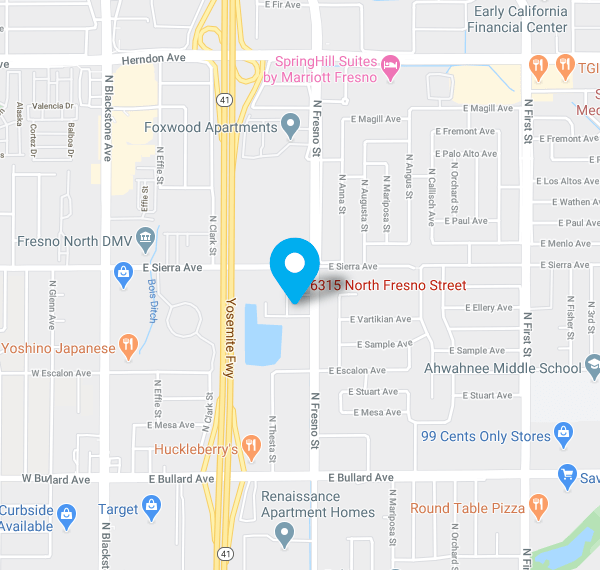
(559) 438-7600 6315 N Fresno St Suite 101
Fresno, CA 93710

Office Hours

  • Monday: 8:00am to 5:00pm
  • Tuesday: 8:00am to 5:00pm
  • Wednesday: 8:00am to 5:00pm
  • Thursday: Closed
  • Friday: Closed
  • Lunch daily from 12:00pm to 1:15pm