Our Blog

Tips to Keep Braces Clean

June 19th, 2019

Orthodontic technology changes and improves all the time. Today’s braces are lighter, smaller, and more efficient than those of past years. Wires are thinner and more flexible. Even brackets come in different styles and colors. These developments are all great news for braces wearers. Unfortunately, there is one advancement we haven’t been able to offer: self-cleaning braces.

Brackets and wires can both trap food particles and make brushing them away more difficult. This can lead to increased plaque, cavities, and staining around the area of your braces. But with the proper supplies and habits, keeping your braces clean will become routine in no time.

Braces-healthy Supplies

  • Toothbrush

Your old toothbrush might work well enough with some brushing adjustments. We can show you how to angle your brush so it works most effectively, and how to make sure the bristles clean around your braces. Or, if you like, there are actually manual toothbrushes designed just for braces. These have V-shaped bristles to make cleaning around the brackets easier. Some people find an electric toothbrush works best. Whichever type of brush you use, be sure you use it often!

  • Floss

Again, if regular floss works for you, stay with your normal products. If you are finding it difficult to get into the narrow spaces around your braces, there are floss threaders to get the floss into tight spaces, and flosses specially designed to work with braces.

  • Interproximal brush

A big name for a tiny brush! These little cone-shaped brushes can clean around your brackets and under your wires—a great way to reach parts of your teeth your regular brush can’t.

Braces-healthy Habits

  • Brush after every meal and sugary drink

Because food particles tend to stick to your braces, and the bacteria in plaque feed on these particles, your enamel is under attack without thorough cleaning after meals. Take a toothbrush and supplies with you to school or work so that you can always brush after eating. If there is absolutely no way to brush, be sure to rinse immediately with water.

  • Brush carefully

Pay attention to each tooth, the area around your braces, and your gum line. And don’t forget the tops and inside of your teeth! A common suggestion for braces wearers is to devote at least ten seconds to each tooth. We might also recommend a special mouthwash to reduce bacteria and help keep your mouth and breath fresh.

  • Brush on the go

Put together a cleaning kit for when you are out of the house. A brush, some floss, and toothpaste in a handy container will let you brush whenever you need to, wherever you may be. Leave it in your backpack or bag, and you’re ready for anything!

  • Watch your diet

Foods that stick to teeth will stick to braces, so avoid caramels, licorice, chewy candies, and any other sticky treats. Why make your life more difficult?

While braces can make brushing and flossing more complicated, you can still keep your teeth clean, bright, and cavity-free. And remember, regular dental exams and professional cleanings are more important than ever during this time. At your next visit to our Fresno, CA office, talk to Dr. Robert Kubo and Dr. James Kubo about the best products and practices for the cleanest possible teeth and braces. We have plenty of ideas to help make sure you’ll have the healthy, beautiful smile you’ve worked so hard for when those braces come off!

The Truth about TMJ

June 12th, 2019

TMJ is the quick way of referring to your Temporomandibular Joint. Pardon the pun, but that’s quite a mouthful! What is this joint, what does it do, and, if your Dr. Robert Kubo and Dr. James Kubo and our team have told you that you have a TMJ disorder, what can we do to help?

The Temporomandibular Joint

Your two temporomandibular joints are amazing works of anatomical design. These are the joints where the temporal bone in the skull meets the mandible bone of the jaw, and allow our mouths to open and close, move back and forth, and slide from side to side. Muscle, bone, and cartilage work together to provide easy movement and to cushion the joint. But sometimes, the joint doesn’t work as smoothly as it should, and this can lead to Temporomandibular Joint Disorder, or TMD.

When Should You Suspect You Have TMD?

You might have TMD if you experience any of these symptoms:

  • Painful chewing
  • Pain around your TMJ, or in your face or neck
  • Earaches
  • Changes in your bite
  • Jaws that are limited in movement or lock open or shut
  • Clicking, popping or grating noises when you open and shut your jaw

There are many conditions linked to TMD. If you grind your teeth at night, have arthritis in the jaw, have suffered an injury or infection in the area, or have problems with your bite, for example, you might be more likely to have TMJ problems. If you suspect you have TMD, or suffer from any of the symptoms listed above for an extended period, give us a call.

Treating TMD

During your visit to our Fresno, CA office, we will check your medical history, and examine your head and neck. We can take an X-ray or scan if needed for further examination of the joint. Because there is no real scientific agreement yet about the best way to treat TMJ disorders, a conservative treatment plan is often best. If you do show signs of TMD, we might first suggest relaxation techniques, over-the-counter pain relievers, or the use of ice packs or moist heat compresses. A change to a softer diet can help, and you should stop chewing gum and making any exaggerated jaw movements.

If these self-care practices aren’t effective, we might suggest a nightguard. This appliance is a comfortable and flexible mouthguard custom fitted for you, and will bring relief from teeth grinding when worn at night. If this treatment is not effective, talk to us about other options.

Luckily, most cases of TMD are temporary and don’t become worse over time. But any persistent discomfort is a good reason to visit us. Whether you have TMD, or any other problem causing you pain in the head or jaw, we want to help.

Taking Charge of Your Dental Health

June 5th, 2019

Now that you’re a teenager, you have a lot more responsibility and independence. Choosing high school classes and electives. Getting a driver’s license. Landing your first job. And those new responsibilities extend to your dental health as well!

  • Braces

If you’ve just gotten braces, you might feel a bit overwhelmed. Learning how to brush and floss effectively, attaching rubber bands several times a day, keeping track of your hours if you’re wearing clear aligners—it can seem like a lot. But you can do it! With time and practice, caring for your braces will become just another part of your daily routine. Dr. Robert Kubo and Dr. James Kubo and our team are here to make sure you have all the information and tools you need to succeed. The most important thing to remember is that the better you follow our instructions, the quicker and more effective your orthodontic treatment will be.

  • Retainers

If you’ve successfully completed your orthodontic treatment, dealing with your retainer should be a piece of cake! We will give you clear instructions on how long each day you should wear your retainer. Sticking to this schedule is really important--if you don’t wear the appliance as directed, you can undo some of the progress you’ve worked so hard to make. And when you’re not wearing your retainer, be sure it has a safe life outside your mouth. Keep it in a protective case, and keep it someplace where the puppy/the washing machine/the cafeteria trash bin won’t find it.

  • Mouthguards

If you have a mouthguard for sports or athletic activities, wear it! Whether you have an over-the-counter device or a custom fabricated guard, it won’t do you any good hiding in your locker. A mouthguard cuts down on tooth and facial injuries caused by falls, physical contact, or other accidents that might happen in your active life. And if you wear braces, ask about a mouthguard designed to fit around them. These custom devices protect your braces and your mouth.

Finally, remember that sticking with your dental routine—two minutes of brushing morning and night and thorough flossing each day—will keep your gums and teeth healthy throughout your teen years. And, if you have any questions about your dental health in general, or a specific dental concern, give our Fresno, CA office a call! We’re here to work with you for a lifetime of beautiful smiles.

Awesome Archwires

May 29th, 2019

When we think braces, we can’t help but think of the brackets on each tooth and the colorful ligature bands that surround them. But actually, the whole point of those brackets and bands is to hold the archwire in place as it gradually moves your teeth to create a better bite and a straighter smile. Let’s learn more about this talented part of your braces!

  • Wire We Wearing These, Anyway?

Archwires use gentle, continuous pressure to move your teeth into alignment. That sounds simple, but there is actually a lot going on. Teeth often need more than realigning. Some teeth need to be turned a bit, some tilted. Your teeth need to be better aligned with those next to them, of course, but also need to fit properly with the teeth above or below them. You might have a malocclusion, or bad bite.

How can one wire handle all that? Well, it can’t. That’s why there are different types of wire. We often use thinner, flexible wires at the beginning of treatment, to put gentle pressure on the teeth as they start their movement. Other wires are firmer, and can be helpful in later phases, when each tooth is carefully moved to its specific, ideal spot. Archwires can be round or rectangular, thicker or thinner, springy or stiff, remember their shape or be bendable—all depending on what they need to do.

Whew! This sounds confusing, but Dr. Robert Kubo and Dr. James Kubo and our team are archwire experts! At every adjustment appointment, we check on the progress of your alignment and choose the exact wire you need to take you to the next stage of your orthodontic journey.

  • Out of the Frying Pan, Into the Wire

Now that you have braces, it’s more challenging to make sure that your teeth are clean after eating. We’ll give you advice on how to get rid of the pesky food particles that sometimes get stuck in your braces. First, that’s absolutely not the look you’re going for. But, more than that, bacteria can use these “leftovers” as fuel to create the acids that damage your enamel and cause cavities.

There’s a whole new world of dental products out there waiting to help get your braces clean. Special toothbrush heads work in the spaces between your teeth and the archwire. There are floss threaders that can get dental floss into tight places, and flosses with one stiff end you can guide under the wire so you can direct the floss to where it’s needed. There are even tiny cone-shaped brushes called “interproximal brushes” that can fit under your wires to clean around your brackets and teeth.

Take a care kit to school or work with you so you can keep the tooth surface under your wires and around your brackets free of plaque. After all the hard work you’ve put in with your braces, the last thing you want is cavities once you’ve achieved your beautiful smile!

  • Down to the Wire

We said archwires were awesome, but we didn’t say they were perfect! We couldn’t leave without suggestions for handling any wire-related problems that might come up.

One of the most common problems is the irritation caused by the end of a wire that has somehow come loose. You might be able to use a cotton swab to gently push the wire flat against the tooth. If that doesn’t work, orthodontic wax can be used to cover the end of the problem wire and smoothed into place. We’ll provide you with instructions on how to handle these and other minor wire problems at home. 

Other problems should be run past us first. If you feel your wire is coming loose, or if a loose end is causing a lot of pain and irritation, call our Fresno, CA office. We’ll give you instructions on how to help, and make an appointment if necessary for a professional fix.

In fact, call us anytime you have questions about your braces. We’re here to help you understand each phase of the orthodontic process as you move step by step on the path to a healthy bite and a beautiful smile. And what’s more awesome than that?

Kubo Orthodontic Group
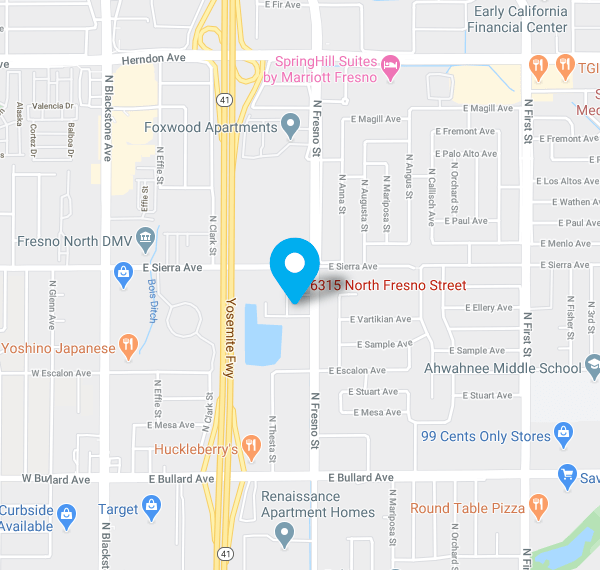
(559) 438-7600 6315 N Fresno St Suite 101
Fresno, CA 93710

Office Hours

  • Monday: 8:00am to 5:00pm
  • Tuesday: 8:00am to 5:00pm
  • Wednesday: 8:00am to 5:00pm
  • Thursday: Closed
  • Friday: Closed
  • Lunch daily from 12:00pm to 1:15pm