
Our Blog

Brushing: Before or after breakfast?

November 6th, 2018

In a perfect world, we would all jump out of bed ready to greet the day with a big smile and a toothbrush close at hand to clean our teeth immediately. But if you can’t even find your toothbrush before you’ve had your first cup of coffee, does it really make a difference if you brush and floss after breakfast? Perhaps! Let’s talk biology.

Normal saliva production during the day benefits our teeth and mouths in surprising ways. Saliva washes away food particles to keep our teeth cleaner. It contains cells which combat bacteria and infection. It even provides proteins and minerals to help protect our teeth from decay. But saliva production slows dramatically as we sleep, and the amount of bacteria in our mouths increases. While one of the nasty—and obvious—side effects of bacterial growth is morning breath, there is an invisible effect, which is more harmful. Bacteria in plaque convert sugar and carbohydrates into acids which attack our gums and enamel and can lead to both gingivitis and cavities.

  • If You Brush Before Breakfast

Brushing and flossing first thing in the morning removes the plaque that has built up during the night and takes care of many of the bacteria who are ready to enjoy the sugar and carbs in that breakfast with you. If you brush before eating breakfast, rinse your mouth with water after your meal, floss if needed, and you are good to go.

  • If You Choose to Brush After Breakfast

But if you decide that doughnut simply can’t wait, you should ideally postpone brushing for 20-30 minutes after your meal. Of course, these are minutes in which bacteria can make use of those new sugars and carbohydrates. So why shouldn’t you brush immediately after eating? Many foods and beverages, especially acidic ones such as grapefruit and orange juice, can weaken the surface of your teeth. If you rinse with water after eating and wait at least 20-30 minutes before brushing, your enamel will be “remineralized” (another benefit of saliva) and ready for cleaning.

No matter if you take a “seize the day” approach and brush first thing in the morning, or a “seize the doughnut” approach and brush soon after eating, the important word here is “brushing.” Dr. Robert Kubo and Dr. James Kubo and our Fresno, CA team are happy to make suggestions as to the best morning routine for you. One thing is certain: if you give your teeth and gums two minutes of careful brushing and flossing in the morning, you can’t help but start your day off right!

Don’t let braces ruin your Halloween

October 30th, 2018

Halloween is a time to enjoy delicious candies you might avoid the rest of the year. Youngsters who get to dress up and ask for sweet treats out trick-or-treating cherish this holiday.

If you have braces on, Dr. Robert Kubo and Dr. James Kubo would like you still to have fun and celebrate Halloween this year!

It’s easy to get carried away on Halloween by eating too much candy at once. Most parents try to prevent the all-too-common sugar high their kids experience on Halloween night. While there are certain candies that should be avoided, not all candy will cause problems for kids with braces. After trick-or-treating, you could trade unsafe candies with siblings and/or friends so they don’t miss out on the sugar buzz.

Dr. Robert Kubo and Dr. James Kubo and our team have come up with a list of teeth-friendly treats that should keep you from worrying about breaking your braces. We also came up with a list of candies to avoid, so as to save you a trip to our Fresno, CA office. Remember to be extra careful when you indulge this Halloween!

Braces-Friendly Sweets

  • Solid chocolate: Milk, white, or dark
  • Nougat-filled candy bars: Three Musketeers
  • Powdery candy: Sweet Tarts, Pixie Stix
  • Mint-flavored candy
  • Malted milk balls
  • Soft cookies
  • Peanut butter crackers

Avoid These Treats

  • Sticky candy: Starbursts, toffee, Tootsie Rolls
  • Hard candy: Suckers, Jolly Ranchers
  • Taffy
  • Caramels
  • Fruit chews
  • Gum
  • Caramel apples
  • Skittles
  • M&Ms

When in doubt, ask Dr. Robert Kubo and Dr. James Kubo if a particular candy is safe to eat when you have braces. We hope you enjoy your Halloween sweets, and look forward to seeing you at your next appointment! Happy Halloween!

Caring for Your Dog’s Teeth

October 23rd, 2018

It may come as a surprise to learn that dogs, like humans, have both baby and adult teeth. Most dogs, unlike humans, have all of their adult teeth by the time they are seven months old, so it’s time to start looking after their dental health when they are still puppies.

While dogs generally don’t develop cavities, periodontal disease is the one of the most common diseases affecting dogs. Periodontal disease starts when the bacteria in your pet’s mouth form plaque. The plaque can harden into tartar, and, if plaque and tartar spread under the gum line, can be responsible for a number of serious problems. Veterinarians warn that tooth loss, tissue damage, bone loss and infection can be the result of periodontal disease. Professional dental treatment is important if your dog is suffering from periodontal disease, and your vet can describe the options available to you. But the time to act is before disease develops. Let’s bone up on some preventative care!

Brushing

There are brushes and toothpastes designed especially for your dog. Train your puppy from an early age to open his mouth to allow you to examine his teeth and gums. (This will also come in handy if you ever need to give him medicine.) Most dogs will accept brushing, and toothpastes come in dog-friendly flavors. Human toothpaste should never be used because it contains cleaners and abrasives that should not be swallowed by your pet. There are also dental wipes available that can be used once and thrown away. Your vet can advise you how to ease your pet into a brushing routine.

Gels and Rinses

Whether you rub an antiseptic gel on your dog’s teeth or squirt an antiseptic rinse into his mouth, these formulas can reduce the build-up of plaque. Not all dogs take to the taste of these solutions, but in general they are safe and effective. Ask your vet for recommendations if you would like to try this method.

Diet

Several dietary products offer anti-plaque ingredients or a kibble shape designed to reduce the formation of plaque. Talk to your vet for the best possible diet and nutrition suggestions for your unique pet.

Chew Toys

Chewing can help reduce plaque build-up if done consistently, and chew toys should be chosen for tooth and digestive safety. Some animal-based products and hard plastic toys are so rigid that they can cause damage to teeth or gums, so be sure to look for safe toys.  Dogs shouldn’t be left alone with toys due to choking or swallowing hazards—if the chew toy becomes small enough to cause choking, or your dog is swallowing large chunks that might not be digestible, time to replace it.

Your veterinarian is the best resource for maintaining your dog’s health and developing a dental routine both you and your pet can live with. When your four-legged friend goes for his next check-up, ask your vet what you can do to keep him and his smile fetching for a long, long time.

Early Orthodontics

October 16th, 2018

Perhaps you are already planning for the years when your teenager will need orthodontic work. But hearing that your seven-year-old would benefit from orthodontic treatment? That might come as a complete surprise! It’s a recommendation with real benefits, though—early intervention can save children from tooth and bite problems now, and even simplify their future orthodontic care.

Treating young children for orthodontic problems is called “interceptive orthodontics.” When the permanent teeth start arriving, there might be problems with spacing, bite or protruding teeth. Often, treatment while the bones are still growing is the best way to prevent more serious problems later.

We recommend that your child have an orthodontic consultation with Dr. Robert Kubo and Dr. James Kubo around the age of seven. This exam is especially important for children who may have been thumb suckers or used a pacifier after the age of three, or if you notice obvious teeth, speech or bite issues.

  • Crowding and Spacing Issues

Teeth are arranged in two crescent shapes called arches. When the arch of your child’s mouth is small, the permanent teeth can become very crowded as they erupt. Formerly, teeth were removed to make more room. Now, early use of a palatal expander can enlarge the upper dental arch in order to help the permanent teeth come in without crowding. The need for future tooth extraction is reduced, and there is a better chance for correct spacing and alignment with early treatment.

On the other hand, when a child loses a tooth too soon, too much space left between baby teeth can also be a problem. The remaining teeth can shift, leaving the wrong place open for the adult tooth to come in. We might recommend a space maintainer so that there is no shifting of the teeth and there is room for the proper adult tooth to erupt in its proper spot.

  • Malocclusions (Bite Problems)

Some malocclusions, like a crossbite, can be caused by problems with jaw and facial structure. Again, we might recommend a palatal expander to help the upper arch of the teeth to fit properly with the lower jaw. Problems with overbite, open bite and other bite issues can also be addressed at this age if necessary. Early care can discourage TMJ (temporomandibular joint) disorders, reduce speech problems, and improve facial symmetry. 

  • Protruding Front Teeth

Teeth that protrude are much more likely to be damaged when playing or after a fall. Methods such as braces or appliances can reposition them and protect them from breaking or fracturing.

Many children will not need early intervention, and many can wait until they are older for orthodontic work. But if your young child has orthodontic problems that should be addressed, early intervention can do more than set the stage for successful orthodontics in the teen years. Talk to our Fresno, CA team about what we can do for your child. Interceptive orthodontics can protect teeth, guide jaw and speech development, modify harmful oral habits and help to adjust bite problems before they become serious—when it comes to your child’s dental health, the best solutions are early ones!

Kubo Orthodontic Group
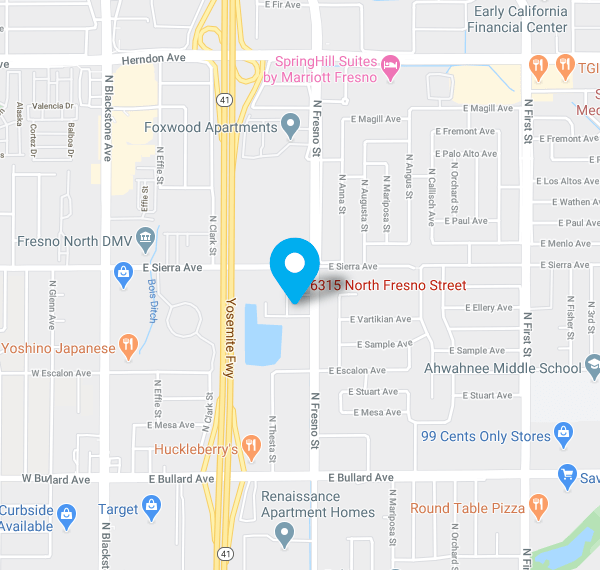
(559) 438-7600 6315 N Fresno St Suite 101
Fresno, CA 93710

Office Hours

  • Monday: 8:00am to 5:00pm
  • Tuesday: 8:00am to 5:00pm
  • Wednesday: 8:00am to 5:00pm
  • Thursday: Closed
  • Friday: Closed
  • Lunch daily from 12:00pm to 1:15pm