
Our Blog

The Herbst® Appliance

June 22nd, 2022

Maybe you’ve known people with braces and aligners—maybe you’ve worn them yourself!—so if braces or aligners are in your teen’s future, you have some idea what to expect and when to expect it.

But quite often, orthodontic issues require more treatment than braces alone can provide. When misalignment affects not only the teeth but the jaw as well, treatment can be more effective when it begins earlier and makes use of a different kind of appliance—the “functional appliance.”

During the years your child’s bones are still rapidly growing and forming, around the ages of eight to 14, functional appliances can help guide tooth movement and encourage jaw growth and development. One of the most widely used of these devices is the Herbst® appliance.

What does the Herbst appliance do?

There are several types of malocclusions, or “bad bites” treated by Dr. Robert Kubo and Dr. James Kubo. A common condition called a Class II malocclusion occurs when the upper jaw and teeth project too far forward over the lower jaw and teeth. Signs of a Class II malocclusion might include an overjet (protruding upper teeth), and/or a small or recessive lower jaw.

While correcting this malocclusion often enhances facial symmetry, which can be very important for a child’s confidence, correcting a Class II malocclusion also promotes jaw and dental health. Misaligned teeth are more difficult to clean, which can lead to decay and gum disease. Bite problems can cause persistent jaw pain and damage to the teeth. And, with an overjet, a child’s upper teeth are more at risk for injury.

The Herbst appliance was developed to treat this kind of malocclusion. It moves the lower jaw and teeth forward to create a balanced, healthy smile.

How does the Herbst appliance work?

The Herbst appliance is fixed in place with stainless steel bands or crowns that are secured to four teeth in the rear of the mouth, often the first molars on each side of the upper and lower jaws. The band or crown on each lower tooth is equipped with a small bar that extends toward the front of the mouth.

An arm on each side links the bands or crowns on the upper teeth to the front of the bar assemblies on the lower teeth. Each arm consists of a rod that fits smoothly into a tube. The telescoping action of the rod and tube allows the mouth to open and close normally. When the mouth is closed, the arms on both sides telescope shut, forming compact cylinders that hold the jaw forward.

While a child’s bones are still growing, the lower jaw’s new forward position can stimulate further bone growth and remodeling to maintain the jaw in that forward position. The Herbst appliance also has a restraining effect on the forward movement of the upper jaw. The result is a steady, noticeable improvement in the relationship between the upper teeth and jaw and the lower teeth and jaw.

Is the Herbst appliance hard to take care of?

The Herbst appliance is fairly low maintenance, but, like any orthodontic gear, it should be treated with care.

  • It’s important to watch your child’s diet, because sticky, crunchy, and chewy foods can damage the appliance. Save the caramels for a post-treatment celebration!
  • Carefully cleaning around the appliance is necessary, because a buildup of bacteria and plaque leads to consequences like bad breath, gum disease, and tooth decay. A water flosser can make reaching and cleaning tight spots easier if a brush alone isn’t effective.
  • If the Herbst appliance is damaged, some minor fixes might be doable at home with instructions from your treatment team. But if a band or crown comes loose, or if there’s a problem you’re unfamiliar with, call our Fresno, CA office right away.
  • To help avoid the need for minor (or major) fixes, playing with the appliance with fingers or tongue, nibbling on pens and pencils, chewing on ice, or any other risky habits should be strictly off limits.

When it comes to your child’s health, you always have high expectations. Dr. Robert Kubo and Dr. James Kubo and our team have all the answers you’ll need about what to expect from this phase of your child’s orthodontic treatment, and just why the Herbst appliance is the very best option to create a future of attractive, healthy smiles.

June is National Smile Month: Show off your smile!

June 1st, 2022

The community health awareness group Oral Health America has reported that 82 percent of adults are unaware of the role that infectious bacteria can play in tooth decay or cavities, and almost three out of five children aged 12 to 19 have tooth decay. Since June is National Smile Month, Dr. Robert Kubo and Dr. James Kubo and our team at Kubo Orthodontic Group thought we’d remind our patients about the importance of good oral hygiene visits between office visits.

To keep your family’s smiles healthy and beautiful for years to come, be sure to:

  • Brush at least twice a day with fluoride toothpaste
  • Floss every day to clean between your teeth
  • Eat a healthy, well-balanced diet
  • Reduce your intake of sugary foods and drinks
  • Visit Dr. Robert Kubo and Dr. James Kubo for scheduled appointments

If you want to know more about healthy home care habits, feel free to ask our team at your next appointment, or ask us on Facebook!

Shark Teeth

May 25th, 2022

It seems like sharks are everywhere these days—on land, sea, and air(waves). A halftime show meme gone viral. A week of summer TV devoted to our favorite apex predators. And who doesn’t have “Baby Shark” playing in their heads all day once they’ve heard it? But are we jumping the shark to discuss this topic in an orthodontic blog?

Not at all! Because today, we’re going to talk about shark teeth—just not the ones you might be expecting.

One of the expected sights when a shark opens its mouth are those rows and rows of shiny shark teeth. Sharks can grow from two to 15 rows of teeth at any one time (and some sharks have even more). This means sharp new teeth are always ready to replace any shark tooth which is lost, broken, or worn out.

An unexpected sight? When children point to their new adult tooth or teeth coming in—right behind their still-firmly rooted baby teeth! This double set of teeth is called “shark teeth,” and, while it certainly might come as a surprise, it’s not all that uncommon. But why do children develop shark teeth at all?

After all, baby, or primary, teeth have small roots, and are designed to come out easily when the adult teeth start arriving. When a permanent tooth starts to erupt, it pushes against the root of the baby tooth above it. This pressure gradually dissolves the root of the primary tooth, and with nothing to anchor it, it’s now loose, wiggly, and ready to fall out. That’s why baby teeth often look like they have no roots at all when they eventually wiggle free.

Sometimes, though, the roots of a primary tooth don’t break down, which means baby teeth stay right where they are. It also means that the permanent teeth have to erupt somewhere else—usually behind those stubborn little baby teeth.

Shark teeth can first appear around the ages of five to seven when the permanent front teeth start arriving, or several years later, when the adult molars begin to come in. Any extra teeth in one small jaw naturally raise concerns about tooth misalignment, especially when those extra teeth are molars. If double molars are causing crowding, it’s a good time for your child to have an orthodontic examination at our Fresno, CA office to make sure the permanent teeth are properly positioned.

Unlike sharks, we don’t have an endless supply of replacement teeth, so it’s understandable to worry when you see anything unexpected. If you want to know more about shark teeth, or if you have any concerns, don’t hesitate to call Dr. Robert Kubo and Dr. James Kubo for expert advice.

Which Retainer is Right for You?

May 18th, 2022

Brackets and wires, clear aligners, lingual braces, regular brackets, self-ligating braces, elastics, spacers—you and your orthodontist have had to narrow down a lot of choices to discover the best treatment for your orthodontic needs. Now that the end of treatment is in sight, there’s one more important choice left—your retainer!

Do I Need a Retainer?

No retainer at all is probably the one option that’s off the table from the start. It’s not just your teeth that have changed position; it’s the bone and ligaments holding them that have changed as well.

A retainer prevents your teeth from moving away from their new, ideal location while your bones and ligaments are stabilizing. This process takes months, so keeping your teeth in place as your bone rebuilds and regains density is crucial.

What Are Your Retainer Options?

Three of the most popular retainer options available at our Fresno, CA office include:

  • Hawley Retainers

This is the traditional retainer, with wires to hold your retainer in place and to keep the teeth properly aligned. The wires are attached to an acrylic plate molded to fit the roof of your mouth or around your bottom teeth. You can customize the acrylic base with colors and patterns for a one-of-a-kind look.

Hawley retainers are adjustable, so minor realignments can take place if necessary. The wire in front of your teeth makes these retainers visible, but, after several months of wearing them all day long, you may end up wearing them only at night.

Hawley retainers are removable, so you need to make sure they are safely in a case when you’re not wearing them. Minor damage can often be repaired, but it’s better to be proactive.

  • Clear Plastic Retainers

These retainers look like clear aligners. They are formed by heating a thin piece of plastic and vacuum-forming it around a model of your teeth to create a custom, comfortable fit.

Clear retainers are almost invisible when worn, and can be removed when you eat or drink—which they should be, because food particles and liquids can be trapped inside them.

When you’re not wearing it, a clear retainer should always be in its case, because it must be replaced if the plastic is warped, cracked, or broken.

  • Fixed Retainers

A fixed retainer is a small single wire bonded to the back of specific teeth, commonly the six bottom front teeth. Because fixed retainers don’t allow the teeth to move at all, they are often recommended for patients who had serious misalignments, extremely crowded teeth, or teeth with large gaps between them.

Many patients like fixed retainers because they keep teeth in perfect alignment, they won’t be seen, they’re comfortably small, and they can’t end up in the cafeteria recycling bin because you forget to replace them after lunch!

Fixed retainers are usually quite durable, but you’ll need to pay attention to your diet, because crunchy and chewy foods can put pressure on the retainer and damage it. These retainers also require special care with brushing and flossing, to make sure the teeth bonded to the wire stay clean and plaque-free.

The Right Retainer

The process of stabilizing your teeth in the jaw takes time. Choosing your retainer will depend in part on how long and how often you need to wear it: fulltime for months or for years, at night after several months of day-and-night wear, or long-term to make sure your orthodontic work lasts.

And there are other variables, as well. Your retainer might need to be removable. It might need to be adjustable. You might need a retainer for just your upper teeth, just your lower teeth, or both. All these factors and more need to be taken into consideration before deciding on your ideal retainer.

Fixed, removable, wire, plastic, colorful, clear—which retainer is right for you? The one that helps you retain the beautiful smile you’ve worked for all these months. Talk to Dr. Robert Kubo and Dr. James Kubo to discover the retainer that will protect that smile for years to come.

Kubo Orthodontic Group
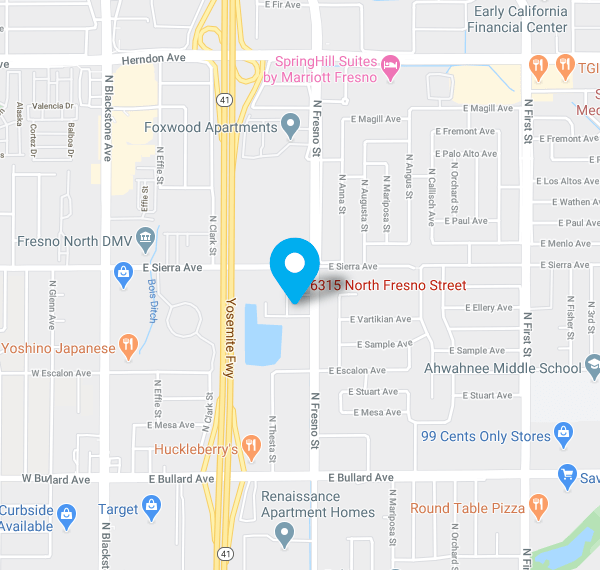
(559) 438-7600 6315 N Fresno St Suite 101
Fresno, CA 93710

Office Hours

  • Monday: 8:00am to 5:00pm
  • Tuesday: 8:00am to 5:00pm
  • Wednesday: 8:00am to 5:00pm
  • Thursday: Closed
  • Friday: Closed
  • Lunch daily from 12:00pm to 1:15pm