Our Blog

June is National Smile Month: Show off your smile!

June 1st, 2022

The community health awareness group Oral Health America has reported that 82 percent of adults are unaware of the role that infectious bacteria can play in tooth decay or cavities, and almost three out of five children aged 12 to 19 have tooth decay. Since June is National Smile Month, Dr. Robert Kubo and Dr. James Kubo and our team at Kubo Orthodontic Group thought we’d remind our patients about the importance of good oral hygiene visits between office visits.

To keep your family’s smiles healthy and beautiful for years to come, be sure to:

  • Brush at least twice a day with fluoride toothpaste
  • Floss every day to clean between your teeth
  • Eat a healthy, well-balanced diet
  • Reduce your intake of sugary foods and drinks
  • Visit Dr. Robert Kubo and Dr. James Kubo for scheduled appointments

If you want to know more about healthy home care habits, feel free to ask our team at your next appointment, or ask us on Facebook!

Shark Teeth

May 25th, 2022

It seems like sharks are everywhere these days—on land, sea, and air(waves). A halftime show meme gone viral. A week of summer TV devoted to our favorite apex predators. And who doesn’t have “Baby Shark” playing in their heads all day once they’ve heard it? But are we jumping the shark to discuss this topic in an orthodontic blog?

Not at all! Because today, we’re going to talk about shark teeth—just not the ones you might be expecting.

One of the expected sights when a shark opens its mouth are those rows and rows of shiny shark teeth. Sharks can grow from two to 15 rows of teeth at any one time (and some sharks have even more). This means sharp new teeth are always ready to replace any shark tooth which is lost, broken, or worn out.

An unexpected sight? When children point to their new adult tooth or teeth coming in—right behind their still-firmly rooted baby teeth! This double set of teeth is called “shark teeth,” and, while it certainly might come as a surprise, it’s not all that uncommon. But why do children develop shark teeth at all?

After all, baby, or primary, teeth have small roots, and are designed to come out easily when the adult teeth start arriving. When a permanent tooth starts to erupt, it pushes against the root of the baby tooth above it. This pressure gradually dissolves the root of the primary tooth, and with nothing to anchor it, it’s now loose, wiggly, and ready to fall out. That’s why baby teeth often look like they have no roots at all when they eventually wiggle free.

Sometimes, though, the roots of a primary tooth don’t break down, which means baby teeth stay right where they are. It also means that the permanent teeth have to erupt somewhere else—usually behind those stubborn little baby teeth.

Shark teeth can first appear around the ages of five to seven when the permanent front teeth start arriving, or several years later, when the adult molars begin to come in. Any extra teeth in one small jaw naturally raise concerns about tooth misalignment, especially when those extra teeth are molars. If double molars are causing crowding, it’s a good time for your child to have an orthodontic examination at our Fresno, CA office to make sure the permanent teeth are properly positioned.

Unlike sharks, we don’t have an endless supply of replacement teeth, so it’s understandable to worry when you see anything unexpected. If you want to know more about shark teeth, or if you have any concerns, don’t hesitate to call Dr. Robert Kubo and Dr. James Kubo for expert advice.

Which Retainer is Right for You?

May 18th, 2022

Brackets and wires, clear aligners, lingual braces, regular brackets, self-ligating braces, elastics, spacers—you and your orthodontist have had to narrow down a lot of choices to discover the best treatment for your orthodontic needs. Now that the end of treatment is in sight, there’s one more important choice left—your retainer!

Do I Need a Retainer?

No retainer at all is probably the one option that’s off the table from the start. It’s not just your teeth that have changed position; it’s the bone and ligaments holding them that have changed as well.

A retainer prevents your teeth from moving away from their new, ideal location while your bones and ligaments are stabilizing. This process takes months, so keeping your teeth in place as your bone rebuilds and regains density is crucial.

What Are Your Retainer Options?

Three of the most popular retainer options available at our Fresno, CA office include:

  • Hawley Retainers

This is the traditional retainer, with wires to hold your retainer in place and to keep the teeth properly aligned. The wires are attached to an acrylic plate molded to fit the roof of your mouth or around your bottom teeth. You can customize the acrylic base with colors and patterns for a one-of-a-kind look.

Hawley retainers are adjustable, so minor realignments can take place if necessary. The wire in front of your teeth makes these retainers visible, but, after several months of wearing them all day long, you may end up wearing them only at night.

Hawley retainers are removable, so you need to make sure they are safely in a case when you’re not wearing them. Minor damage can often be repaired, but it’s better to be proactive.

  • Clear Plastic Retainers

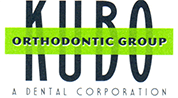
These retainers look like clear aligners. They are formed by heating a thin piece of plastic and vacuum-forming it around a model of your teeth to create a custom, comfortable fit.

Clear retainers are almost invisible when worn, and can be removed when you eat or drink—which they should be, because food particles and liquids can be trapped inside them.

When you’re not wearing it, a clear retainer should always be in its case, because it must be replaced if the plastic is warped, cracked, or broken.

  • Fixed Retainers

A fixed retainer is a small single wire bonded to the back of specific teeth, commonly the six bottom front teeth. Because fixed retainers don’t allow the teeth to move at all, they are often recommended for patients who had serious misalignments, extremely crowded teeth, or teeth with large gaps between them.

Many patients like fixed retainers because they keep teeth in perfect alignment, they won’t be seen, they’re comfortably small, and they can’t end up in the cafeteria recycling bin because you forget to replace them after lunch!

Fixed retainers are usually quite durable, but you’ll need to pay attention to your diet, because crunchy and chewy foods can put pressure on the retainer and damage it. These retainers also require special care with brushing and flossing, to make sure the teeth bonded to the wire stay clean and plaque-free.

The Right Retainer

The process of stabilizing your teeth in the jaw takes time. Choosing your retainer will depend in part on how long and how often you need to wear it: fulltime for months or for years, at night after several months of day-and-night wear, or long-term to make sure your orthodontic work lasts.

And there are other variables, as well. Your retainer might need to be removable. It might need to be adjustable. You might need a retainer for just your upper teeth, just your lower teeth, or both. All these factors and more need to be taken into consideration before deciding on your ideal retainer.

Fixed, removable, wire, plastic, colorful, clear—which retainer is right for you? The one that helps you retain the beautiful smile you’ve worked for all these months. Talk to Dr. Robert Kubo and Dr. James Kubo to discover the retainer that will protect that smile for years to come.

The Twin Block Appliance

May 11th, 2022

Orthodontic treatment involves a lot more than just straightening your teeth. For a healthy smile, your bite must be healthy as well! This means that the upper and lower jaws need to fit together properly and comfortably.

If your bite is out of alignment because of jaw misalignment, orthodontic treatment can help correct the shape and position of your jaws with devices called functional appliances. These appliances are most often used for young patients whose bones are still growing, and are designed to treat malocclusions, or bite problems.

Common malocclusions such as overbites and overjets can occur when the upper teeth protrude further than they should, or the lower jaw is positioned too far back, or both. The Twin Block appliance can be used in such cases to help move your lower jaw and teeth into alignment with your upper jaw.

Why “Twin”? Because the Twin Block appliance is two separate pieces, each made of wire and smooth acrylic. Both pieces are crafted to fit precisely over your upper and lower arches and can be adjusted as your treatment progresses. The top plate can also be adjusted, if necessary, to widen the upper palate.

Why “Block”? Acrylic blocks cover the biting surfaces of several of your upper and lower teeth. These blocks fit together like a 3D puzzle. When you bite down, the upper blocks interlock with the lower blocks, pushing the lower blocks forward just a bit before you can bite down completely. Over time, bit by bit (and bite by bite), the Twin Block appliance advances your lower jaw and teeth to create a balanced, comfortable bite.

For the quickest and best results, you should wear your Twin Block appliance as directed. It’s made to be worn comfortably while you sleep, eat, and otherwise go about your day. (It’s a good idea to check with our Fresno, CA orthodontic team to see about removing it when you’re active, especially for swimming and contact sports.) When it’s time to brush, the Twin Block appliance is removable. This means that you can clean your teeth and your appliance easily.

And, while it’s made to work hard for you, it’s not indestructible. Don’t expose your appliance to heat or hot water, as the plastic may warp. Use the cleaning methods we recommend. Finally, when your appliance is out of your mouth, keep it in its case! You don’t want your appliance to end up carefully wrapped in a napkin in the nearby recycling bin. Or, even worse, in your dog’s mouth instead of yours.

The Twin Block appliance might fit together like a puzzle, but there’s nothing puzzling about how to achieve your best and fastest results. Your success really depends on you. Follow Dr. Robert Kubo and Dr. James Kubo and our team’s advice, wear your appliance as directed, and you’ll be on your way to a healthy, comfortable bite and an attractive, confident smile!

Kubo Orthodontic Group
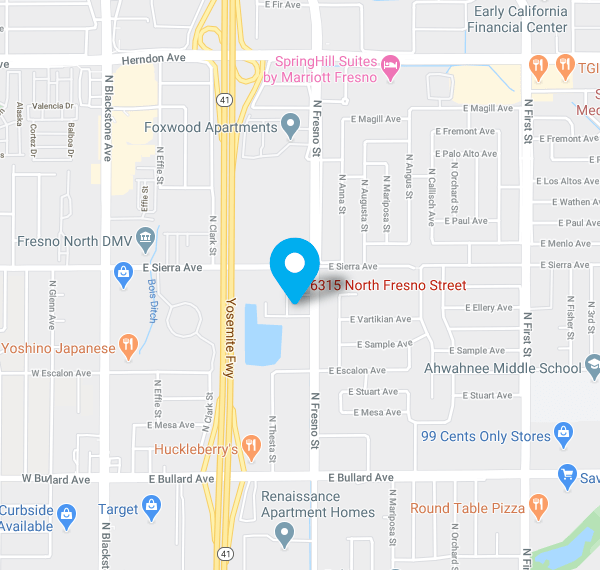
(559) 438-7600 6315 N Fresno St Suite 101
Fresno, CA 93710

Office Hours

  • Monday: 8:00am to 5:00pm
  • Tuesday: 8:00am to 5:00pm
  • Wednesday: 8:00am to 5:00pm
  • Thursday: Closed
  • Friday: Closed
  • Lunch daily from 12:00pm to 1:15pm