Our Blog

What is a palatal expander?

March 4th, 2020

Orthodontists like Dr. Robert Kubo and Dr. James Kubo recommend a first orthodontic visit and evaluation for your child around the age of seven. We will evaluate your child’s jaw and facial development and make sure that there is enough room in the mouth for the permanent teeth when they arrive. One of the recommendations we might make for early treatment is the use of a palatal expander. If you are unfamiliar with this device, let’s take a closer look at why it’s necessary and what exactly it does.

Why do we recommend the palatal expander?

There are two dental arches, composed of the upper and the lower teeth, in your child’s mouth. This arch-shaped design is meant to accommodate all the permanent teeth. Further, when the upper and lower teeth meet, they should result in a healthy occlusion, or bite.

Sometimes, the upper dental arch is simply too small to accommodate all of your child’s permanent teeth, leading to crowding, extractions, and impacted teeth. Also, a too-narrow arch can result in a crossbite, where some of the upper teeth bite inside the lower ones. An improper bite can lead to problems such as TMJ (temporomandibular joint) disorder, improper wear and stress on teeth, certain speech difficulties, and other potential complications. The palatal expander was designed to prevent these problems from occurring.

What is a palatal expander and how does it work?

The expander itself is a device that increases the size of the upper dental arch. Before your child’s bones are finished growing, the space between the two bones of the upper palate is filled with cartilage. This tissue is flexible when children are young, but gradually fuses solidly into place by the time they are finished growing (usually in the early to mid-teens). If the arch can be widened to accommodate the emerging permanent teeth, or to reduce malocclusions, this improvement can also affect the need for, and length of, future dental work.

There are several types of expanders available at our Fresno office. These are custom-made appliances, commonly attached between the upper teeth on each side of the jaw. The two halves of the device are connected with a screw-type mechanism that can be adjusted to widen the upper palate and dental arch with gentle pressure. This is a gradual process, with small adjustments usually made once or twice a day to slowly move the bones further apart. As weeks go by, you will notice a successful change in the spacing of the teeth. Your child might even develop a gap in the front teeth, which is normal and will generally close on its own.

If you would like more detailed information, talk to Dr. Robert Kubo and Dr. James Kubo about the palate expander. We can tell you what to expect from this treatment if we think it is best for your child’s unique needs, and how to make it as easy as possible for your child. Our goal is to provide your child with the healthiest teeth and bite possible, always making use of treatments that are both gentle and effective.

How Long After My Braces Come Off Should I Wear My Retainer?

February 26th, 2020

Braces are an investment in your smile. When your teeth reach a desired straightness, you’ll have a beautiful smile, but it’s important to keep it that way! You can accomplish this with a retainer provided by Kubo Orthodontic Group.

A retainer is a small, custom-fit device that reinforces the new position of your teeth after your braces are removed. But for many patients, especially the youngest ones, wearing a retainer may seem like an annoyance. So exactly how long after your braces come off should you wear your retainer?

Graduation of Wear Time

When we remove your braces, Dr. Robert Kubo and Dr. James Kubo will evaluate the condition of the bone structure surrounding your teeth and determine how well it is adjusting to the new position of your teeth. For the first few months, we may require you to wear your retainer both day and night, except during meal times and for brushing and flossing.

As the bone and gum tissues adjust to your new smile, we may determine that you need to wear your retainer only at night. After about one year of wearing the retainer every night, you may be able to take a couple of nights off each week.

However, we do not recommend ever stopping permanently. To best secure the position of the teeth, especially through future extractions and oral health changes, wearing your retainer a few nights a week will be necessary for many years.

Considerations

If you are concerned about your appearance when you wear a retainer, there are many that can be worn discreetly. You could choose a clear plastic one that is less obvious during the months immediately following removal of your braces. When you change to night wear only, clear wire retainers are available for minimal visibility as well.

Another option is a lingual retainer. It is placed on the back sides of your teeth so no one will ever know it is there! Lingual retainers are also permanent, so there’s no risk of losing them.

Remember, wearing your retainer is an investment in your smile. If you fail to wear it consistently, the tissues that support your teeth will be unsupported, and you may begin to experience noticeable shifting. You’ve worked hard to get that beautiful smile — your retainer will let you keep it! Remember to call our Fresno, CA office if you have any questions about your retainer!

Five tips in caring for your braces during orthodontic treatment

February 19th, 2020

After getting your braces on, it is important to know how to take care of yourself in order to ensure that your braces stay intact and do their job so that your teeth are in top-notch condition after you complete your orthodontic treatment. Today, our team at Kubo Orthodontic Group thought we would provide you with five tips you need to know to ensure you undergo successful treatment at our Fresno, CA office.

Flossing
Flossing twice a day or after every meal can help you clean areas between teeth and other places a toothbrush can miss. We also recommend using a floss threader, which can be used to help you navigate safely around your braces and brackets. It is vital to floss twice a day, preferably after lunch and before bedtime to keep gum disease and tooth decay at bay.

Brushing
Teeth and appliances should be brushed after every meal and before bedtime using fluoride toothpaste and gentle, soft strokes. We recommend using an interdental toothbrush, which can help you clean the hard-to-reach areas under wires better than an ordinary toothbrush.

Using Elastics
This phase of orthodontic treatment requires cooperation and consistency on your part. If Dr. Robert Kubo and Dr. James Kubo has prescribed elastics, make sure they are worn at all times, except when eating meals or brushing teeth. It’s important that you wear the correct size elastics and have extras in case our office is closed. By failing to wear your elastics for even one day, you run the risk your teeth moving back toward their original position.

Addressing Damage to Your Braces
In case your appliances are damaged, we ask that you call our team at Kubo Orthodontic Group immediately to set up an appointment.

Eat Friendly Foods
When undergoing treatment, there are certain foods you must avoid. Foods that are hard, sticky, chewy or sour can add months to your treatment time. These includes gum, caramels, taco shells, nuts, ice, chips or hard candies. By cutting your pieces thin or cooking them when possible, you may still consume these foods without harming your braces.

We hope that helps! If you have any questions, please give us a call at our Fresno, CA office or ask us during your next adjustment appointment!

Foods that Are Safe for Braces!

February 12th, 2020

Orthodontic braces are used to straighten the teeth, which not only creates a more pleasing appearance, but also helps prevent tooth decay and other oral health problems. Braces are only effective when they are properly cared for, however. Certain foods, for example, are better suited for individuals who have braces, as opposed to hard and sticky foods that can cause damage. So, what types of foods should you or your kids eat to protect dental appliances?

The best foods to eat with braces are those that are not high in sugar and do not require excessive chewing. For breakfast, try eggs, yogurt, bacon, wheat toast, or oatmeal. Lunch may steer toward a banana rather than an apple, a salad without nuts, and a glass of water. If you are looking for some after-school snacks for your kids, consider baked tortilla chips with salsa and guacamole, or try string cheese with fruit.

A healthy dinner can include most types of vegetables, so long as they are cooked to an appropriate softness. Pair that with a lean protein, such as fish or chicken, and follow up with dessert. Just be sure to brush afterward!

Post-Tightening Foods

As braces begin to adjust the alignment of the teeth, our Fresno, CA office will periodically tighten them to continue the alignment process. After tightening occurs, the teeth may be sore and sensitive to certain foods. During this time, it is best to eat soft foods. Examples include:

  • pudding
  • mashed potatoes
  • soup
  • ice cream
  • cottage cheese
  • peas
  • pancakes
  • pasta

Foods to Avoid

According to the American Dental Association, anyone who wears braces – whether fixed or removable – should avoid excessive snacking and should aim to eat a healthy and balanced diet. It is also important to avoid foods that could cause damage to the braces, such as:

  • hard candies
  • gum
  • nuts
  • popcorn
  • certain raw vegetables (for example, carrots)

Considerations

Regardless of what types of foods you eat with braces, it is important to keep the crevices between the teeth and around the braces very clean. That means brushing and flossing after meals to prevent the build-up of plaque and decay. Not only can failing to do so damage the teeth, but it can also cause discoloration.

Have more questions about orthodontic treatment? The Kubo Orthodontic Group staff is always ready to answer all of your questions and help you get the most out of the treatment plan prescribed for you by Dr. Robert Kubo and Dr. James Kubo!

Kubo Orthodontic Group
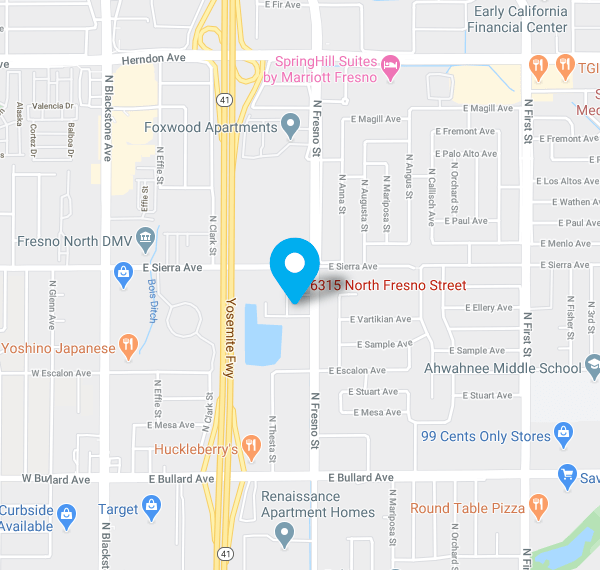
(559) 438-7600 6315 N Fresno St Suite 101
Fresno, CA 93710

Office Hours

  • Monday: 8:00am to 5:00pm
  • Tuesday: 8:00am to 5:00pm
  • Wednesday: 8:00am to 5:00pm
  • Thursday: Closed
  • Friday: Closed
  • Lunch daily from 12:00pm to 1:15pm