
Our Blog

Adults and Braces - Not Just for Kids Anymore

February 5th, 2020

Just hearing the word “braces” can take many of us back to junior high — that painful era when we wore unattractive glasses, endured unflattering haircuts, and carried a mouthful of braces to complete the awkward adolescent look. Despite the common assumption that braces are for kids, more and more adults are choosing to pursue orthodontics to correct their smiles.

Braces for Adults

Perhaps you never had braces as a kid and you are embarrassed by your crooked teeth. Or you went through a round of braces a decade ago and stopped wearing your retainer, which allowed your teeth to shift. Whatever your personal history, wearing braces in adulthood is an excellent way to create the straight, beautiful smile you deserve.

What Are My Options?

With recent advances in orthodontic medicine, there are numerous options for adults who need braces. The basic option is traditional metal braces. These are best for individuals who have severely crooked teeth or a significant bite problem, or require other major orthodontic changes. Metal braces are typically the least expensive option. The greatest drawback to wearing metal braces as an adult is aesthetics. Many people find them unattractive and distracting.

If you are a professional who is worried about your personal appearance, clear ceramic braces may be a better choice. Clear braces are capable of handling very crooked teeth or bite issues, but they cost more than metal braces. You also have to be careful about smoking or drinking red wine, soda, and other dark beverages while wearing clear braces. These items may stain the adhesive that binds the brackets to your teeth.

Another popular option for adults who need braces is a clear aligner treatment, such as Invisalign®. This system works in a different way from traditional braces by applying a series of clear, retainer-like aligners. The series is custom made for your teeth, which makes this option more expensive than either metal or ceramic braces. In general, the Invisalign process takes anywhere from three to 18 months to complete. You should be aware that Invisalign is not as effective as traditional braces in treating bite problems, teeth that are lower or higher than others, or severely overcrowded teeth.

Although you may be nervous about the prospect of getting braces as an adult, you should not let your fears stop you from talking with Dr. Robert Kubo and Dr. James Kubo. A consultation with at our Fresno, CA office will address your concerns and provide information about the best course of treatment for you. No matter what your personal situation, adult braces can be a great way to boost your confidence and create the smile you’ve always dreamed of.

What Role do Elastics (Rubber Bands) Play in Orthodontics?

January 29th, 2020

Wearing orthodontic braces may be the best choice for correcting your teeth and improving your smile, and that's why you've come to see Dr. Robert Kubo and Dr. James Kubo at Kubo Orthodontic Group. Braces, which consist of brackets and wires, work by gently applying pressure to the teeth, and that pressure causes them to move into the correct position. In some cases elastics, or rubber bands, are used to apply additional pressure needed to move your teeth.

The Purpose of ElasticsCustomized for each patient, the rubber bands typically stretch over tiny loops on the top and bottom brackets. If worn consistently, and every day, these tiny elastics will apply the steady pressure needed to guide your teeth into the correct position.

These elastics are crafted from medical-grade latex, which is safe to be in contact with your mouth. It's common to remove the elastics during meals if opening your mouth wide enough to eat is difficult. Our staff will demonstrate how to affix the elastics so it will soon become second nature to replace them.

The Do’s and the Don'ts

DO - Get in the habit of carrying around extra rubber bands and replace them as soon as one breaks. By consistently wearing the elastics, you may shorten the overall time needed to wear braces.

DON'T - Double up on elastics as this will cause too much pressure on the tooth or teeth and can actually harm the root of the tooth.

DO - Always wash your hands before removing or replacing the rubber bands.

DON'T - Overstretch the rubber band or it will lose its strength and it will be ineffective.

DO - Call us if you run out of rubber bands.

DO - Have fun with your braces and elastics. There are many different colors available that can let you show off your soon-to-be perfect smile.

Rubber bands are a key part of your orthodontic treatment, and learning how to remove and replace them is an important part to maintaining your braces. Before we set you on your journey to a perfect smile, we'll make sure you understand all there is to know about how to take care of your braces. Of course, if you have any questions about your orthodontic treatment, or orthodontics in general, be sure to contact our Fresno, CA office, and our staff will be happy to assit you!

Permanent or Removable Retainers: Which is Right for You?

January 22nd, 2020

When the time comes for Dr. Robert Kubo and Dr. James Kubo to remove your braces, it is very exciting. Unfortunately, it can be somewhat confusing, too, because you are faced with choosing between two kinds of retainers. Should you go with permanent, removable, or a combination of the two? It is always wise to follow Kubo Orthodontic Group recommendations, but knowing more about the two types of retainer beforehand can be helpful.

Removable Retainers

Removable retainers offer the advantage of easy use: you will generally put a removable retainer in at night and take it out in the morning. Regardless of your retainer schedule, you'll be able to enjoy some time with no retainer. However, a removable retainer can easily be forgotten at times, and this means you won't be taking full advantage of teeth retention.

Another potential advantage of a removable retainer is that you can take it out and brush and floss your teeth with ease, which is more of a challenge with a permanent retainer. Although removable retainers can be very effective, they don't tend to be as effective as permanent retainers, especially if they are not used as directed.

Permanent Retainers

Permanent retainers are the clear choice for patients who want to “get it and forget it.” Once your permanent retainer is placed in your mouth, you won’t need to worry about daily retainer schedules, since it is permanently affixed to your teeth.

Because teeth begin to shift naturally as we age, a permanent retainer typically offers better long-term results for teeth straightening than a removable one. You can't forget to put it in — it's already there! Temporary retainers get lost or are forgotten on trips, and often fail to get used as often as they should be.

One drawback to permanent retainers is flossing. Some patients find it more difficult to floss with a permanent retainer, but we can show you effective ways to floss fairly quickly with your permanent retainer.

Some orthodontists may recommend a combination of the two; for example, a removable retainer for the top teeth and a permanent one for the lower ones because the lower teeth are smaller and tend to shift more.

Ultimately, the most important thing to remember is that wearing your retainer as directed is extremely important. As long as you follow our orthodontist’s advice, you will get the best results from your retainer, regardless of its type. If you’re still not sure whether the choice you’ve made is truly right for you, get in touch with us at our Fresno, CA location right away!

Damon® Smile vs. Traditional Braces

January 15th, 2020

Orthodontics researchers continue to innovate and develop the best ways to improve patients’ smiles. The latest generation of orthodontics includes Damon Smile, an advanced form of braces that improve upon the metal brackets of earlier generations. Talking to Dr. Robert Kubo and Dr. James Kubo can help you decide if Damon Smile braces are appropriate for your orthodontic needs.

What are Damon Smile braces?

Traditional braces require a series of brackets to be bonded to each tooth. Then, a thin metal wire connects the brackets. These wires are immovable and are firmly connected to the brackets. With Damon Smile, a special “invisible” bracket is placed on the teeth. Unlike with traditional braces, wires pass through these brackets but can slide within the bracket. This reduces friction and may result in a more comfortable process than traditional braces.

Aesthetic Considerations

Both teens and adults often hate the look of traditional braces, with their clunky metal brackets and wires. Additionally, rubber bands may need to be worn to hold brackets closed. With Damon Smile braces, none of these concerns apply. The brackets are clear and no rubber bands are needed, meaning that few people will notice your orthodontics unless they look closely.

Differences in Cost

Traditional braces tend to be the most cost effective orthodontic option available. Because of their specialized equipment, Damon Smile braces do cost more than traditional alternatives. It’s worth checking with your insurance company to determine whether both types of orthodontics are covered.

Length of Treatment

Another benefit of Damon Smile braces is a decreased length of treatment. Compared to traditional braces, individuals who opt for Damon Smile braces typically experience significantly lower treatment time. Particularly for those with complex orthodontic problems, shaving even a few months off of treatment may be worth it.

Less Irritation of Gums

Some people report that they experience sores or gum pain after implementation of traditional braces. Damon Smile braces are specially formed to be smooth and less invasive. This may result in diminished pain and a lower rate of gum problems. The differences are particularly noticeable in the first weeks of treatment.

To find out if Damon Smile braces can meet your smile needs, contact our Fresno, CA office and schedule an appointment!

Kubo Orthodontic Group
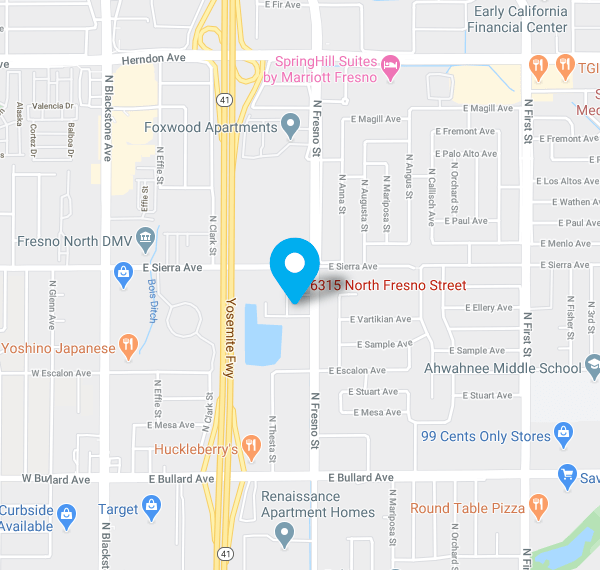
(559) 438-7600 6315 N Fresno St Suite 101
Fresno, CA 93710

Office Hours

  • Monday: 8:00am to 5:00pm
  • Tuesday: 8:00am to 5:00pm
  • Wednesday: 8:00am to 5:00pm
  • Thursday: Closed
  • Friday: Closed
  • Lunch daily from 12:00pm to 1:15pm